No Clasps, No Hassle. Is Permanent Jewelry Right For You?
Author:Judy
|
Released:November 30, 2025
Tired of struggling with tiny clasps every morning? A permanent jewelry bracelet offers a seamless solution to your daily accessory battles. Discover what is permanent jewelry and decide if this customized, clasp-free trend fits your active lifestyle. Let's explore the details of this modern commitment.

What Is Permanent Jewelry And Why Is It Viral?
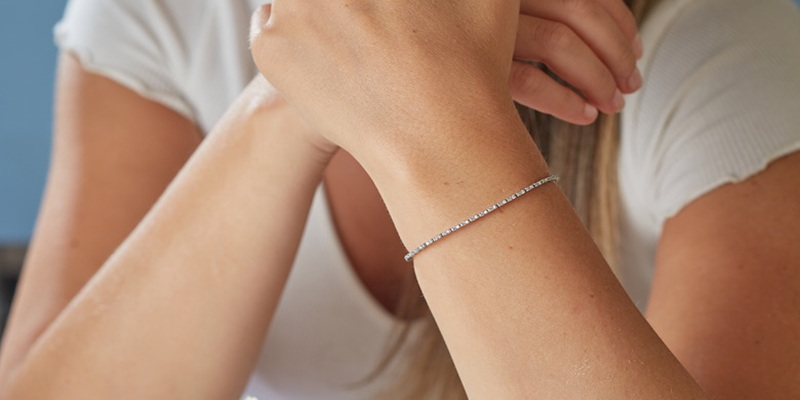
At its most technical definition, permanent jewelry is a chain welded directly to the body. There is no clasp, no heavy toggle, and no loose end to catch on clothing. Instead, a jeweler custom-fits a chain—typically solid 14k gold, gold-filled, or sterling silver—around your wrist, ankle, or neck, and fuses the two ends. The result is a seamless loop, a piece of "infinity jewelry" designed to be worn 24/7, enduring showers, workouts, and sleep without ever needing to be removed.
While the concept of bonded jewelry has existed in high-end ateliers for years, the trend has recently exploded into the mainstream, primarily fueled by viral social media clips. The hashtag #permanentjewelry has amassed billions of views, transforming the purchase of a simple chain into a documented event. It occupies a unique cultural space, offering the sentimental permanence of a tattoo without the needles, ink, or lifelong commitment. Industry experts often describe it as "low-stakes permanence." You get the symbolism of "forever"—marking a friendship, a mother-daughter bond, or a romantic partnership—but if you ever need to remove it, the commitment is easily reversible.
This blend of utilitarian elegance and emotional symbolism has turned the act of getting "zapped" into the ultimate modern bonding experience. It is not just about the gold; it is about the memory attached to the weld. Whether you are marking a milestone or simply seeking a minimalist aesthetic, understanding the viral appeal is the first step in deciding if you are ready to get linked.
The Process: Does Getting Zapped Hurt?
For the uninitiated, the terminology surrounding permanent jewelry—words like "welding," "fusing," and "zapping"—can conjure up intimidating images of industrial sparks and searing heat. However, the most frequent question jewelers face is also the easiest to answer: Does it hurt? The answer is a definitive no. Despite the dramatic vocabulary, the process is entirely painless, safe, and surprisingly fast when performed by a professional.
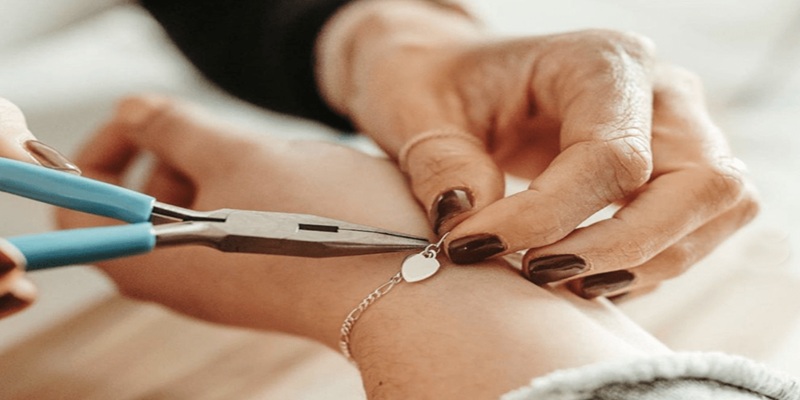
Your appointment typically begins with the design phase. Because you will not be taking this off daily, the sizing is critical; the jeweler will ensure the chain sits comfortably on the wrist—snug enough to avoid snagging on doorknobs, but loose enough to move naturally. Once the chain is measured and cut to your exact specifications, the safety protocols begin. The jeweler will place a protective barrier, usually a thick leather patch or a specialized fabric strip, directly against your skin underneath the jump ring where the weld will occur. This acts as a physical shield, ensuring that the electrode never comes into contact with your body and adhering to general safety standards.
Next, both you and the jeweler will don specialized protective glasses. These are essential to shield your eyes from the flash, similar to the protection worn in a tanning bed.
The jeweler then uses a pulse-arc welder, a precision tool that looks more like a high-tech stylus than a construction instrument. When they touch the electrode to the metal link, the machine discharges a microscopic burst of plasma.
You will see a quick, bright flash of light and hear a distinctive audible "pop" or crackle. That pop is simply the sound of the metal melting together. Because the energy is focused exclusively on the tiny point of the metal link, no heat is transferred to your skin. You won't feel a burn, a pinch, or even a sensation of warmth. Within a fraction of a second, the circuit is closed, and the bond is complete.
Material Matters: Gold, Silver, And Cost Breakdown
When you are welding metal to your body for the foreseeable future, the "you get what you pay for" adage has never been more relevant. Because permanent jewelry bracelets are designed to endure showers, gym sessions, lotions, and life, the integrity of the metal is paramount. Choosing the right material is not just an aesthetic choice; it is a practical one regarding skin sensitivity and longevity.
1. Solid 14k Gold
This is the gold standard—literally. For a "forever" piece, solid 14k gold is the most advisable investment.
It is non-reactive, meaning it won't irritate sensitive skin or turn your wrist green, and it is durable enough to withstand daily friction without losing its shape.
Unlike higher karat gold (like 24k), which can be too soft for a delicate chain, 14k offers the perfect balance of luster and structural integrity. It is waterproof, sweatproof, and requires zero maintenance.
2. Gold Filled
If the price tag of solid gold feels steep, gold-filled is the respectable middle ground.
Unlike gold plating, which involves a microscopic layer of gold over a base metal, gold-filled jewelry involves pressure-bonding a thick layer of gold to a core (usually jeweler's brass). It contains at least 5% gold by weight.
While it will eventually wear down over years of heavy friction, it provides a much longer lifespan than cheaper alternatives.
3. Sterling Silver
For the cool-toned aesthetic, sterling silver is the go-to budget option.
However, silver is chemically reactive. It oxidizes when exposed to sulfur, found in the air, in wool, and in specific water sources, such as natural hot springs.
If you choose silver, be prepared to clean it occasionally to keep it bright, even while it is attached to your wrist.
The Warning
Avoid Plated: Under no circumstances should you opt for "gold-plated" or "vermeil" chains for permanent jewelry.
The plating will rub off within weeks of constant friction against the skin and exposure to water, leaving you with a dull, potentially allergenic base metal.
The Investment: Pricing for permanent jewelry is rarely a flat fee. Most studios charge per inch, meaning the size of your wrist dictates the final price. While welding fees are sometimes included, you are paying primarily for the raw materials.
• Sterling Silver: Expect to pay between $40 and $80 for a standard wrist size.
• Gold Filled: Generally ranges from $80 to $150.
• Solid 14k Gold: The premium option starts around $150 for a whisper-thin chain but can easily exceed $250 to $400+ for heavier paperclip or curb links.
Living With Permanence: MRI, TSA, And Removal
Once the spark fades and you walk out of the studio, the reality of being "locked in" sets in. Common anxieties about travel, medical procedures, and lifestyle constraints are often unfounded, but understanding the protocols is essential for peace of mind.
Airport Security (TSA)
Frequent flyers can rest easy. Fine jewelry, such as delicate gold and silver chains, is non-magnetic and generally does not trigger metal detectors at airport security. You do not need to remove your welded bracelet when going through TSA PreCheck or standard body scanners. It is functionally invisible to the alarm systems.
Medical Scans (MRI)
This is the most common "what if" scenario. While gold and silver are non-ferrous (non-magnetic), medical professionals often require the removal of all metal jewelry during an MRI to prevent potential heating (burns) or image artifacts (blurring the scan). If you have a scheduled procedure, ask your technician beforehand. If removal is mandatory, do not panic—the exit strategy is simple.
The "Easy Exit" Strategy
"Permanent" does not mean "stuck." If you need to remove the bracelet for surgery, a strict workplace policy, or simply because you want a change, you do not need a professional. You can remove the chain at home using a pair of robust kitchen scissors or wire cutters.
Pro Tip: Locate the small jump ring (the loop where the weld happened) or a single link. Clip that specific point. This preserves the integrity of the chain, allowing you to bring it to a jeweler for re-welding later for a small "zap fee."
Sports and Activity
For runners, yogis, and swimmers, these chains are generally unobtrusive. However, if you play high-contact sports (like basketball or rugby) where snagging a finger or equipment is a risk, you should cover the bracelet with a sweatband or athletic tape to prevent injury to yourself or the jewelry.
Pros And Cons: Is a Permanent Jewelry Bracelet For You?
Before you commit to the spark, it is crucial to weigh the aesthetic benefits against the practical realities of wearing a piece of jewelry that cannot be removed.
The primary appeal lies in the accessory's effortless nature. For those who struggle with tiny clasps due to dexterity issues, arthritis, or long fingernails, permanent jewelry offers a significant accessibility upgrade. The custom fit ensures the chain sits perfectly flush against the wrist, eliminating the annoying dangle of excess chain common to standard retail pieces and creating a sleek, streamlined silhouette that layers beautifully with watches.
Furthermore, the sentimental value is undeniable; it serves as a modern friendship bracelet, marking bonds between partners, siblings, and best friends in a way that feels enduring.
However, the concept of permanence has its drawbacks. The most common complaint involves the fragility of the chains. To ensure safety during the welding process and comfort during sleep, these chains are often dainty. Consequently, they can snag on knitwear or break more easily during rigorous physical activity than heavier, clasped alternatives.
Swelling is another consideration; distinct changes in body heat, hydration, or air travel can cause wrists to expand, potentially turning a perfect fit into a constricting band. Finally, there is the commitment factor. While they can be cut off with scissors in an emergency, destroying the jewelry loop to remove it detracts from the initial investment for some users.
Selection Tips: Choosing The Right Artist And Chain
Not all zaps are created equal. As the trend has exploded, so has the number of pop-up vendors.
When selecting an artist, prioritize safety and equipment standards first. Ensure the jeweler uses a pulse-arc welder designed explicitly for fine jewelry. These sophisticated machines offer pinpoint precision and heat control, unlike generic soldering irons or industrial tools, which pose a higher risk of burns or messy, oxidized joints.
Hygiene is equally essential; while the jewelry doesn't pierce the skin, the tools used to measure and handle the chain should be rigorously sanitized between clients. You must also inquire about warranties.
The best studios stand by their work, typically offering a 60-day policy for free re-welds if the jump ring fails or the chain stretches naturally over time. Finally, listen to their style advice regarding durability. While a delicate sequin chain might catch the light beautifully, experienced jewelers often recommend paperclip or cable chains. These interlocking link structures offer greater tensile strength and longer wear for daily wear.
Embracing The Seamless Shine
Permanent jewelry is more than a fleeting viral moment; it represents a shift toward minimalist, intentional accessorizing. It is a lifestyle upgrade for those who value low-maintenance luxury and sentimental connection. If you are ready to ditch the clasp and embrace a seamless shine, the next step is finding the perfect link that speaks to you. Begin your permanent jewelry journey today—select your perfect bracelet and experience the stunning, seamless shine for yourself.
Sources
You May Like
Design
Quiet Luxury Bags: The New Way To Wear Elegance Without Logos
Apparel & Shoes
Top 10 Ballet Flats Every Fashion Lover Must Try

Fashion Trends
How Sustainability Is Shaping Fashion Trends In 2026

Design
Step-By-Step Guide To Build A Fashion Collection From Scratch
Jewelry
Jewelry Trends 2026: What’s In, What’s Out, and the 70/20/10 Rule