How to Design Clothes That Actually Sell Themselves
Author:Arooba
|
Released:December 6, 2025
Standing out in fashion isn't just about pretty fabrics anymore. Designers who want to make real money need fresh clothes design strategies that grab attention fast. The market's crowded, but smart techniques can help your brand shine bright.
Why Structural Innovation is the New Luxury
The fashion world moves at a relentless pace. What worked last season might already feel stagnant. That’s why the most successful designers are now focusing on "Emotional Durability"—creating pieces that people don’t just buy, but cherish. When you mix pure creativity with smart technical planning, you create clothing that practically sells itself.
Today’s consumers are looking for a story. A regular t-shirt is a commodity, but a t-shirt engineered with zero-waste pattern cutting or a unique biomorphic texture becomes a conversation piece. To win in today’s retail environment, your techniques need to deliver something that feels both rare and intentional.
Pattern Innovation Methods That Actually Work
Creating a standout pattern isn't just about drawing shapes; it’s about "Architectural Tailoring." Modern innovation combines digital precision with artisanal soul.
Instead of just sketching, try Volumetric Draping. This is where you use 3D software to see how a pattern responds to human ergonomics before the fabric is even touched. The best pattern innovation methods today aren't just about how it looks on a hanger, but how it behaves in motion.
Here’s what’s truly moving the needle in pattern creation:
-
3D Digital Prototyping: Using tools like CLO3D to simulate fabric weight and tension, reducing sample waste by nearly 50%.
-
Kinetic Seaming: Placing seams where the body naturally bends (like articulated elbows), which creates a sleeker fit without sacrificing comfort.
-
Cultural Fusion Geometry: Taking traditional silhouettes—like the structure of a Japanese Kimono or a Middle Eastern Kaftan—and applying modern laser-cutting to create a "New Global" aesthetic.
-
Modular Design: Creating patterns with detachable or adjustable elements, giving the customer two or three ways to wear a single garment.
The trick is balance. As the saying goes in design: "Complexity should be hidden in the construction, not the appearance." According to recent industry analysis, brands that prioritize custom pattern development see 30% higher customer retention because the fit simply can't be found elsewhere.
Material Experimentation Opens New Doors
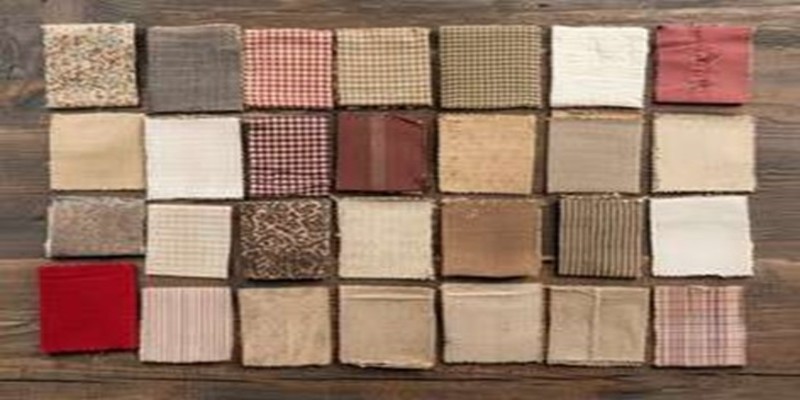
Standard organic cotton is the "safe" play, but it’s rarely a game-changer. To truly disrupt the market, you have to source where others aren't looking. We’re talking Cactus Leather, Mycelium (mushroom) substrates, or Spider Silk—materials that don't just sit on a shelf, they tell a story.
In modern fashion, your fabric is your "hook." A jacket isn't just a jacket when it’s built from recycled ocean nylon with a Graphene-infused lining for thermal conductivity. At that point, you aren’t selling apparel; you’re selling a technical breakthrough.
When testing new materials, keep these "Internal Checks" in mind:
The Haptic Signature: Does the "hand-feel" match the price point? If a bio-synthetic feels too clinical, consider an enzyme wash or a carbon-brushed "peached" finish to break the surface tension and add luxury softness.
Stress & Recovery: Avoid "fabric fatigue." Beyond basic weight checks, put the material through an ISO 12945 Pilling Test. You need to know exactly how the fibers behave after 5,000 rubs and whether the mechanical stretch holds its "snap-back" memory.
Production Friction: Can your factory actually sew it? High-tenacity or experimental bio-textiles often require ball-point needles or specific thread tension calibration to prevent puckering. Always request a "seam strength test" before committing to a full production run.
The Strategic Workflow: From Foresight to Final Prototype
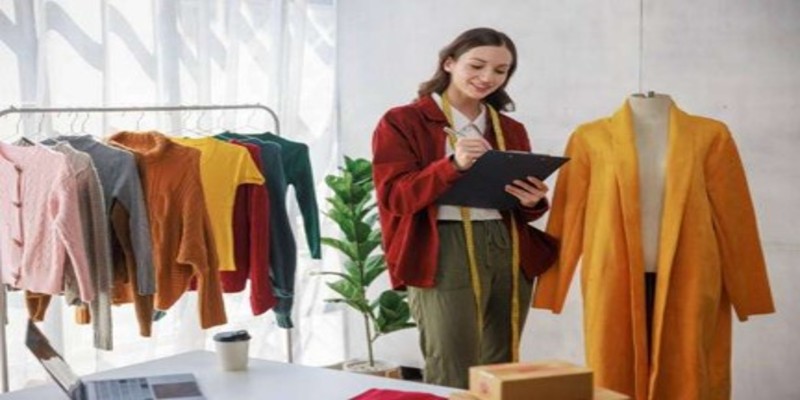
A successful collection isn't built on guesswork. It’s about stacking smart choices across your entire pipeline so that by the time your designs hit the rack, they feel like exactly what the market was waiting for.
Trend Forecasting: Spotting the "Next"
Forecasting isn’t just about scrolling TikTok; it’s about identifying the shifts that dictate what people will actually buy in six months.
Look Beyond the Feed: While social media shows you what's hot now, tools like Pinterest Predicts or Google Trends show you what's rising. If you have the budget, WGSN is the industry standard for macro-trends, but you can also look at "adjacent" industries—if interior design is moving toward heavy textures and "quiet luxury," fashion usually follows.
The "Pacing" Analysis: Identify 5–10 brands that are one step ahead of you. Don't copy their designs—analyze their timing. When are they dropping certain silhouettes? What fabrics are they leaning into?
Practical Color Strategy: Use Pantone Connect to build your palettes. It ensures your "signature green" can actually be dyed consistently across different fabrics (like cotton vs. synthetics), saving you from production headaches later.
Prototyping: The "Stress Test" Phase
A beautiful sketch is useless if it’s unwearable. Proper testing can cut your return rates by up to 40% by catching flaws before they reach the customer.
The "Live" Fit Test: Don’t just pin things on a static mannequin. Have a fit model sit, reach, and walk. If a sleeve is too tight to lift an arm or a skirt rides up when sitting, fix it in the "toile" (muslin) stage before cutting your expensive final fabric.
Simulate the Weight: Always prototype in a fabric weight that matches your final material. Testing a heavy wool coat with thin cotton muslin gives you a fake sense of drape. Use a cheap felt or heavy canvas to see how the garment actually hangs.
The 48-Hour Wear Test: Give a sample to someone who will actually wear it for two days. Wash it a few times. Does the fabric pill? Do the seams pull? It’s much better to have a "fail" in your studio than in a customer’s laundry room.
Mastering the Workflow: Scaling Your Brand
Merge your creative risks with business logic to keep your brand fresh but profitable.
The 70/20/10 Rule: Keep your collection balanced. 70% should be "Bread & Butter" (proven sellers), 20% should be "Seasonal Flavour" (current trends), and 10% should be your "Wildcards"—the experimental pieces that get people talking.
The "Hit & Miss" Log: At the end of every season, be brutal. Track what sold and what didn't. If a beautiful shirt bombed because the fabric wrinkled too easily, that’s a specific data point for your next sourcing trip.
Focus on Micro-Details: Keep a "Design Journal" of construction details—a unique cuff stitch, a hidden pocket, or cool hardware. These small, thoughtful touches are what make a customer feel like they’re buying something premium, making your marketing way easier.
The market rewards brands that take smart, calculated risks. When you stop chasing every fad and start refining your specific way of cutting a sleeve or sourcing a textile, you stop competing on price and start competing on identity.
You May Like
Fashion Trends
Quiet Luxury On a Budget: 7 Affordable Brands That Look High-End

Fashion Trends
Street Style Evolution: Fashion Trends Inspired By Urban Culture
Design
Core Luxury Brands for Diversified Fashion Holdings
Fashion Trends
Henna Tattoos: The Complete Guide to Safe, Stunning Designs
Apparel & Shoes
Best Workout Clothes That Survive Sweat, Stretch, and Washes