Core Luxury Brands for Diversified Fashion Holdings
Author:Arooba
|
Released:October 11, 2025
In today’s volatile fashion landscape, building a resilient investment portfolio increasingly means looking beyond fast fashion and toward luxury brands that have proven their ability to generate stable cash flows, maintain pricing power, and grow even during economic downturns. Smart investors and holding companies are using thoughtful brand portfolio constructions to balance heritage giants with emerging icons, achieving both risk mitigation and attractive yield projections.
Here’s why the smartest diversified fashion holdings almost always include a selection of “core” luxury houses—and which ones consistently deliver the strongest long-term value.
What Makes a Luxury Brand “Core”?
Top-tier luxury brands share several timeless characteristics that make them exceptionally defensive yet growth-oriented assets:
● Iconic signature products that never go out of style
● Extremely high brand equity and customer loyalty
● Global desirability with strong pricing power
● Controlled distribution (mostly direct-to-consumer and own boutiques)
● Proven resilience across economic cycles
● Ability to expand into new categories (beauty, home, hospitality) without diluting prestige
When a brand possesses all of the above, it becomes the perfect anchor for any diversified fashion holding.
1. Louis Vuitton (LVMH) – The Undisputed King of Yield + Growth
Louis Vuitton is the single largest profit generator in the entire luxury industry. Its signature product—the monogram canvas luggage and handbags introduced by Georges Vuitton in 1896—was originally designed to be lightweight, waterproof, and stackable for the new era of train and ocean-liner travel. That functional innovation became the most recognizable pattern in fashion history.
Most popular product line today? The Neverfull tote and the Speedy handbag remain bestsellers decade after decade because they combine everyday practicality with instant status recognition. The brand’s leather goods division alone accounts for roughly €20 billion in annual revenue with operating margins above 45%—numbers most tech companies would envy.
For holding companies, LV offers the perfect mix of defensive cash flow and offensive growth through constant capsule collections and celebrity collaborations.
2. Chanel – The Pinnacle of Exclusivity and Price Control
Few brands manage scarcity as masterfully as Chanel. By deliberately limiting production and rarely discounting, Chanel has trained its customers to pay full price—or join years-long waiting lists.
The signature product that built the empire? Coco Chanel’s 1921 perfume Chanel N°5, still the world’s best-selling fragrance, is almost 105 years later. Today, handbags (especially the Classic Flap and 2.55) and fine jewelry drive the bulk of profits.
Chanel remains privately owned, but its estimated €18–20 billion in annual sales and sky-high margins make it the dream acquisition channel for any luxury conglomerate fortunate enough to buy it (should the Wertheimer family ever sell).
3. Hermès – The Ultimate Anti-Fragile Luxury Investment
Hermès is the only major luxury house that consistently outperforms its peers during recessions. Its signature product, the Birkin bag (introduced in 1984 after an airplane conversation between actress Jane Birkin and then-CEO Jean-Louis Dumas), has become the most coveted—and best-performing—alternative asset of the past 40 years. Certain rare Birkins routinely sell at auction for 3–5× retail.
The Kelly bag and silk scarves remain perennial bestsellers, but it’s the brand’s obsessive focus on craftsmanship (every bag is made by a single artisan) and strict “no discounts, no outlets” policy that creates unbreakable customer loyalty.
Hermès trades at a market cap of around €250 billion—higher than LVMH on a per-share basis—proving that true scarcity still wins.
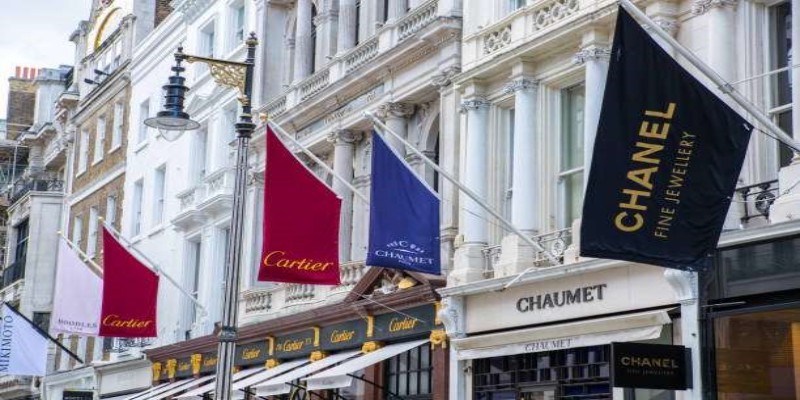
4. Cartier & Van Cleef & Arpels (Richemont) – Jewelry as the New Growth Engine
While apparel and bags are cyclical, fine jewelry and watches have become the fastest-growing luxury category. Cartier’s Tank and Love collections, alongside Van Cleef’s Alhambra motif, have achieved the same “instant recognition” status as an LV monogram.
These brands deliver higher gross margins (often 65–70%) and require less inventory turnover, making them ideal for risk mitigation components in any diversified portfolio.
5. The Emerging Core: Bottega Veneta, Loewe, and The Row
Younger brands that have reached “core” status in record time include:
● Bottega Veneta – Daniel Lee (and now Matthieu Blazy) turned the intrecciato weave into a quiet-luxury status symbol
● Loewe – Jonathan Anderson’s Puzzle bag and viral collaborations have tripled the brand’s size in five years
● The Row – Mary-Kate and Ashley Olsen’s ultra-minimalist label is the favorite of billionaires who don’t want visible logos
These houses are growing 20–40% annually while maintaining exclusivity—perfect for forward-looking brand portfolio constructions.
Why Diversified Holdings Needs Multiple Core Brands
A well-constructed luxury portfolio spreads risk across:
● Geographies (LV dominates Asia, Hermès leads in Europe and the US)
● Categories (bags, jewelry, beauty, ready-to-wear)
● Price points (entry-level canvas vs. €50,000+ exotic handbags)
● Consumer moods (logo lovers vs. quiet luxury seekers)
This diversification delivers smoother yield projections and significantly lowers downside risk during economic slowdowns—luxury spending may slow, but the top 5–7 brands rarely decline in absolute terms.
Final Takeaway
The most successful fashion holdings of the past twenty years—LVMH, Kering, Richemont, and now Tapestry/Capri—have all followed the same playbook: acquire or heavily invest in a handful of timeless luxury brands, protect their exclusivity at all costs, and let compound brand equity do the rest.
Whether you’re an institutional investor, family office, or simply building a personal collection of investment-grade pieces, focusing on these core houses has historically been the safest path to both wealth preservation and appreciation in the luxury sector.
In an uncertain world, few assets offer the combination of emotional appeal, scarcity, and financial resilience that these brands deliver year after year.
You May Like
Fashion Trends
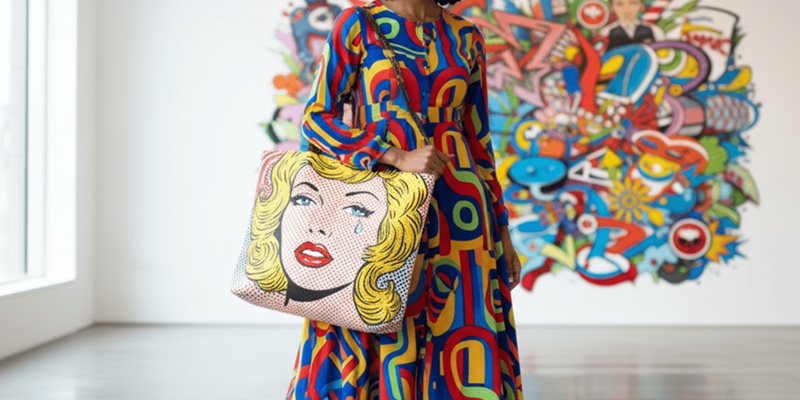
Maximalist Outfits: How To Embrace Bold Colors And Patterns
Outfit Ideas
7 Simple Looks That Always Flatter on Camera (Plus Posing Tips)
Apparel & Shoes
Top 10 Ballet Flats Every Fashion Lover Must Try

Fashion Trends
Early 2000s Fashion How to Apply Today
Apparel & Shoes
Louis Vuitton Bag Portfolios For High-Net-Worth Strategies