Accredited Fashion Designing Courses For Emerging Talent
Author:Arooba
|
Released:October 6, 2025
Finding fashion design courses that deliver real skills feels impossible. Schools promise creativity but teach outdated techniques nobody uses anymore. The fashion world changed, digital design tools replaced sketchbooks, sustainability became non-negotiable, and social media turned into the main marketing channel.
Accredited programs with instructor expertise, project-based learning, and specialized training modules separate serious designers from hobbyists.

What Makes Accreditation Worth Checking
Accreditation isn't bureaucratic paperwork. It's proof that a program meets standards set by organizations like the National Association of Schools of Art and Design. Fashion houses recognize these credentials immediately during hiring.
Financial aid depends on it, too. Federal loans and most scholarships only cover accredited institutions. Without that stamp of approval, paying for education becomes harder.
The curriculum gets reviewed regularly in accredited schools. That means outdated pattern-making techniques from the 90s don't stick around for decades. Programs update courses based on what brands actually need from new hires right now.
Specialized Training Modules Beyond Basic Sewing
Generic fashion design courses teach everyone the same thing. Better programs are split into specialized tracks matching different career paths.
Digital design software like CLO 3D and Browzwear became standard tools after brands realized virtual sampling cuts waste by 70%. Designers stuck with traditional methods struggle to land jobs now.
Sustainability training addresses fashion's environmental crisis. The Ellen MacArthur Foundation reports that the industry produces 10% of global carbon emissions. Programs teach circular design, textile recycling, and ethical sourcing, skills every modern consumer expects.
Business courses bridge the gap between creativity and profit. Talented designers fail because they can't calculate margins or understand customer acquisition. Fashion forecasting, e-commerce setup, and social media strategies that convert followers into paying customers are covered in these specialized training modules.
Why Instructor Expertise Beats Famous School Names
Faculty backgrounds matter more than campus reputation. The best fashion design courses hire working professionals who design for brands currently, not professors who left the industry twenty years ago.
Instructors with active industry connections bring real problems into classrooms. They know which fabric suppliers deliver on time, what sustainability certifications actually mean something, and how digital fashion weeks work. Textbook theories don't compare to solving problems brands face today.
Guest lecturers add serious value. Programs regularly hosting designers, buyers, and brand executives create networking opportunities that lead to internships and jobs. One conversation with the right person opens more doors than a perfect GPA.
Portfolio reviews from experienced instructors fix common mistakes before job applications go out. These professionals reviewed thousands of portfolios and know exactly what catches hiring managers' attention versus what gets ignored immediately.
Project-Based Learning That Mimics Real Work
Lecture-heavy programs don't prepare anyone for fashion's reality. Project-based learning throws students into scenarios matching actual industry conditions.
Collection Development forces designers to create complete seasonal collections within real constraints, budget limits, production timelines, and target markets. Creative vision meets commercial reality fast in these projects.
Team Collaborations replicate how fashion houses operate. Pattern-makers, merchandisers, and marketers work together, bringing products from sketches to stores. These projects teach deadline management and communication skills employers value as much as design talent.
Brand Partnerships connect students with companies solving actual business challenges. Some fashion design courses arrange projects where student teams develop capsule collections for established brands. That work goes in portfolios with real results attached, not just classroom assignments.
Fashion shows work as full-scale productions in quality programs. Students handle model casting, backstage coordination, and presentation logistics, experiencing the chaos of runway events firsthand instead of just watching from seats.
Enrollment Strategies That Prevent Expensive Mistakes
Campus visits reveal facility quality immediately. Fashion education requires industrial sewing machines, textile labs, digital design studios, and adequate workspace. Crowded facilities with outdated equipment limit learning regardless of curriculum quality.
Graduate placement rates tell the truth about program effectiveness. The Council for Higher Education Accreditation requires schools to track where alumni work and how long job searches take. Programs hiding these numbers usually have poor outcomes.
Curriculum timelines need scrutiny. Accelerated programs cramming too much material into short periods overwhelm students. Others stretch basic content across unnecessary semesters, inflating costs without adding value.
Industry connections determine job prospects. Programs maintaining relationships with fashion brands, PR agencies, and retailers provide clearer employment paths. Internship requirements, career services, and alumni mentorship programs deserve thorough investigation before enrollment.
Total cost versus earning potential requires honest math. Fashion degrees range from $15,000 at community colleges to over $200,000 at private institutions. The Bureau of Labor Statistics publishes salary data showing realistic earnings in different specializations.
Technologies Changing Fashion Education Right Now
Fashion designing courses incorporating new technologies create competitive advantages. AI-powered design assistants generate color palettes and predict trends based on social media data. Virtual reality fitting rooms test garment fit on diverse body types without producing physical samples. Blockchain authentication systems help luxury brands fight counterfeits.
These tools didn't exist five years ago. Programs teaching them prepare students for roles emerging right now, not jobs disappearing soon.
Building Careers That Last
Professional networks start during school. Attending fashion weeks, industry conferences, and trade shows as students builds relationships that matter more than grades later.
Distinctive points of view separate successful designers from everyone copying runway trends. The industry needs voices addressing market gaps, inclusive sizing, sustainable luxury, and culturally specific designs.
Content creation on Instagram, TikTok, and Pinterest functions as digital portfolios and marketing platforms. Documenting design processes and engaging fashion communities online builds followings before graduation.

Launch That Fashion Career
Accredited fashion design courses offering specialized training modules, experienced instructors, and project-based learning provide foundations for industry success. The fashion world needs talent willing to challenge conventions while mastering fundamental skills.
Explore accredited programs matching career goals through comprehensive program directories. Compare curriculum details and connect with admissions advisors, King informed enrollment decisions.
Sources:
National Association of Schools of Art and Design - Accreditation Standards
Ellen MacArthur Foundation - Fashion Industry Environmental Impact
Council for Higher Education Accreditation - Institutional Reporting
You May Like
Fashion Trends
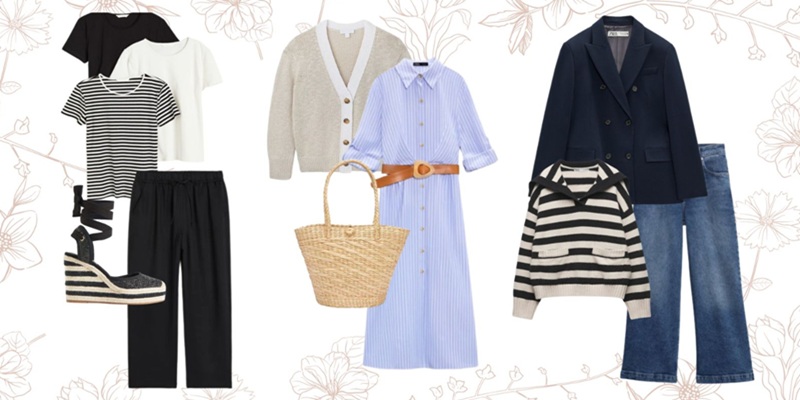
Quiet Luxury On a Budget: 7 Affordable Brands That Look High-End
Fashion Trends
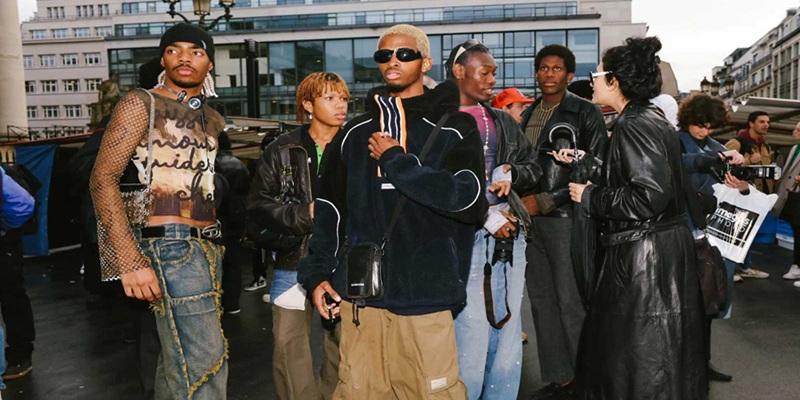
2026 Streetwear Trends That Will Define Urban Style And Street Fashion Looks

Design
Step-By-Step Guide To Build A Fashion Collection From Scratch

Apparel & Shoes
High-Value Designer Handbags as Portfolio Diversifiers

Design
Accredited Fashion Designing Courses For Emerging Talent