12 Fashion Design Ideas That Look Expensive But Are Easy To Create
Author:Mike Fakunle
|
Released:November 21, 2025
Expensive-looking fashion isn’t always about luxury fabric or a huge budget. Most of the time, it’s about smart details, clean finishing, and choosing designs that naturally look “high-end” on the body.
If you want pieces that feel like boutique finds but are simple enough to make (or customize), these fashion design ideas will give you that polished look without stress.
Start With The “Expensive” Fashion Formula
Before you cut fabric or sketch anything, you need the same mindset luxury brands use: fewer distractions, better structure, and stronger finishing. That’s what makes fashion design ideas look premium, even when the materials are affordable.
Fashion schools train designers to think [2] this way—build the silhouette first, then refine construction and finish. That’s why a simple piece can look costly when the structure is right.
Here’s the simple formula:
Clean silhouette + quality finishing + intentional details = expensive look
When you apply that formula, even basic fabrics can look rich, and your final piece will stand out in photos and real life.
Minimalist Dress Designs That Always Look High-End
Minimalist pieces are the easiest way to look expensive because they don’t rely on loud prints or complicated styling. The shape does all the work.
Slip Dress With A Clean Neckline
A slip dress looks like luxury when it has the right neckline and smooth drape. The secret is keeping the front clean and using a slightly heavier fabric so it doesn’t cling awkwardly.
To make it look premium:
Choose a soft satin, crepe, or bias-cut fabric
Keep straps neat and symmetrical
Add a clean hem that doesn’t curl
This is one of those fashion design ideas that looks expensive even with simple sewing skills because the shape is elegant on its own.
Column Dress With Side Slits
A straight column dress is easy to draft, easy to sew, and it photographs beautifully. The side slits add movement and give it that runway feel.
Make it look richer by:
Adding a neat slit finish (not raw or folded messy)
Keeping the neckline simple
Using one solid color
If you want easy luxury outfit ideas, this is one of the best choices.
Shirt Dress With A Structured Waist
A shirt dress can look casual or expensive depending on its structure. If you want it to look premium, focus on the waist and collar.
Ways to upgrade it:
Add a waist tie with proper belt loops
Use a crisp collar that stands clean
Add a small hidden button placket
A well-fitted shirt dress is one of the most wearable fashion design ideas you can create, especially if you want a polished everyday look.
“Quiet Luxury” Tops That Look Designer-Made
Tops are where many designs start looking cheap because of weak seams, messy necklines, or thin fabric. But if you focus on clean lines, your top can look like it came from a luxury store.
One-Shoulder Top With Clean Finishing
A one-shoulder design instantly looks stylish and modern. The trick is finishing the neckline so it sits flat and doesn’t shift.
To make it look expensive:
Use elastic or light interfacing for support
Keep the armhole clean and smooth
Avoid overly thin fabric
This is one of the best affordable fashion upgrades because you can even recreate it from a basic fitted top.
Sleeveless High-Neck Top
A sleeveless high-neck top gives “luxury basics” energy. It pairs well with jeans, skirts, or tailored pants, and it looks clean in photos.
Small upgrades that matter:
Add a back zipper or neat button closure
Use a thicker fabric so it holds shape
Make sure the neckline doesn’t stretch out
This is one of those easy sewing projects that look expensive because it’s simple but sharp.
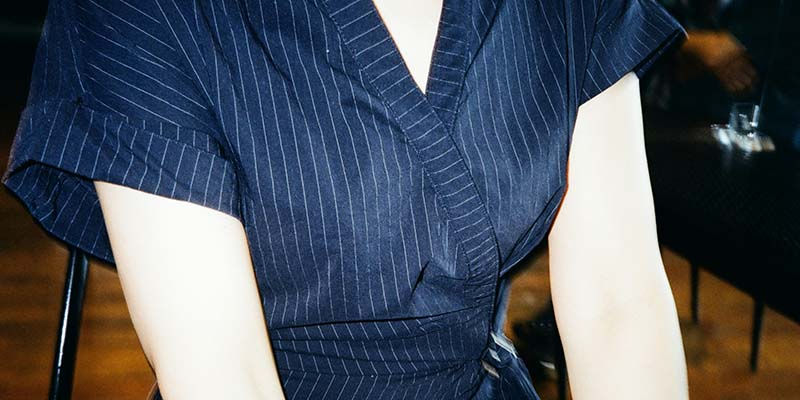
Wrap Top With A Hidden Snap
Wrap tops are flattering, but they often look messy if they keep opening. A hidden snap solves that and makes the design feel intentional.
To make it premium:
Add a snap at the bust area
Use a structured wrap tie instead of thin straps
Finish the edges with a clean fold
Wrap tops are classic fashion design ideas that work for casual and dressy styling.

Skirt Designs That Look Tailored And Expensive
A skirt can look “fast fashion” or “custom-made” depending on the fit and finishing. Tailoring details make a huge difference.
High-Waist A-Line Midi Skirt
A-line midi skirts look expensive because they create shape and movement. They also suit many body types.
To make it look luxury:
Add a clean waistband with interfacing
Use an invisible zipper
Choose fabric with a bit of weight
This is one of the easiest luxury outfit ideas to build because you can wear it with simple tops and still look put together.
Satin Bias-Cut Skirt
Bias-cut skirts are famous for that smooth, expensive drape. The good news is you don’t need a complex pattern to make one.
Key tips:
Cut on the true bias for flow
Let it hang before hemming so it settles
Use a narrow hem for a clean finish
This is one of the best fashion design ideas for that “rich girl” look without doing too much.
Pleated Skirt With Clean Pleats
Pleats can look amazing or messy. The difference is precision. If you want it to look expensive, keep pleats even and well-pressed.
Make it premium by:
Using strong fabric that holds pleats
Keeping pleats consistent in width
Adding a clean waistband finish
Pleats are a smart choice for easy sewing projects that look expensive because the structure feels intentional.
Easy Blazer And Jacket Ideas That Instantly Upgrade Your Look
Outerwear is where people immediately judge quality. A good jacket makes everything underneath look more expensive, even if it’s simple.
Cropped Blazer With Sharp Lines
A cropped blazer looks modern and expensive when the edges are crisp, and the shoulders fit properly.
To elevate it:
Use interfacing on the lapel and front panels
Add clean shoulder shaping
Use a lining for a premium interior finish
If you’re serious about affordable fashion upgrades, a blazer is one of the strongest options.
Cape Jacket With Minimal Seams
Cape jackets look dramatic, but they’re surprisingly easy to create because they don’t require complex sleeve construction.
To make it look luxury:
Use wool blend, thick crepe, or structured fabric
Keep the neckline clean and firm
Add a simple closure like a hook
This is one of the boldest fashion design ideas that is still easy to sew.
Collarless Jacket With Clean Edges
A collarless jacket gives a modern “designer” feel. It works especially well for office outfits or formal looks.
Make it look expensive by:
Keeping edges sharp and symmetrical
Adding lining or bias tape finishing
Using statement buttons
This design proves that easy sewing projects can still look expensive when the finishing is clean.
Fashion Design Ideas That Look Expensive Through Fabric Choice
Even the best fashion design ideas can look cheap if the fabric choice is wrong. Fabric is the “first impression” of your design.
You can sharpen your fabric eye by studying real garment construction and couture details in museum collections [3] — seeing how shape, seams, and materials create impact.
Here are fabrics that instantly look more premium:
Crepe
Crepe has a soft texture that drapes nicely without looking shiny. It’s perfect for dresses, skirts, and wide-leg pants.
Linen Blends
Pure linen wrinkles easily, but linen blends keep the classy look while staying more wearable. Great for relaxed luxury outfit ideas.
Cotton Poplin
Poplin is crisp and structured, perfect for shirt dresses and tailored tops. It’s one of the best fabrics for affordable fashion upgrades.
Satin With Weight
Not all satin looks expensive. Choose satin with a thickness so it drapes smoothly and doesn’t cling or shine too much.
Ponte Or Thick Knit
Thicker knits hold shape and look neat. They’re perfect for fitted dresses and sleek tops that look expensive.
Small Design Details That Make Anything Look Premium
Sometimes the difference between “nice” and “wow” is one detail done correctly. These upgrades work across almost every fashion design idea.
Add A Clean Waistband Instead Of Elastic
Elastic waistbands can look casual. A structured waistband makes the piece look tailored, even if the design is simple.
If you must use elastic, hide it inside a waistband casing so it looks neat.
Use Invisible Zippers Or Neat Closures
Visible zippers can look cheap if they’re not perfectly installed. Invisible zippers instantly make your work look professional.
Other clean closures:
Hook and eye
Covered buttons
Side zipper instead of back zipper
Upgrade Your Hem Finishing
A cheap hem ruins the entire outfit. A clean hem makes even basic fabric look expensive.
Try:
Narrow hem for skirts and satin
Blind hem for formal pieces
Clean double-fold hem for everyday wear
Add Lining To Key Pieces
Lining is one of the biggest secrets behind luxury fashion. It helps the garment sit better and last longer.
Pieces that benefit most:
Blazers
Dresses
Skirts
Cape jackets
Choose One “Statement” Element Only
Expensive style is rarely noisy. If you’re adding drama, keep it focused.
Examples:
Dramatic sleeve + simple body
Deep slit + clean neckline
Open back + long sleeve
This approach makes fashion design ideas look expensive without over-designing.
How To Make Your Designs Look Expensive In Photos
If you’re creating fashion content for a website or social media, presentation matters. Even expensive clothes can look cheap with bad styling.
Fashion and beauty editorial [1] standards are a good reminder that clean presentation and intentional styling matter as much as the garment itself.
Iron Everything Before Shooting
Wrinkles make fabric look low quality. Pressing your garment instantly makes it look cleaner and more professional.
Style With Simple Accessories
Minimal styling looks expensive. Choose:
Small earrings
Neutral bag
Clean shoes
Avoid too many accessories competing with the outfit.
Use A Plain Background
Busy backgrounds distract from your design and reduce the “premium” look. A plain wall or clean outdoor setting works best.
Focus On Fit
Fit is everything. Even simple fashion design ideas look expensive when they fit properly around the shoulders, bust, waist, and hips.
If you can, adjust:
Shoulder seam placement
Waistline position
Hem length
Building A Luxury Look With Affordable Fashion Upgrades
You don’t need a full wardrobe reset to look expensive. A few smart upgrades can change your entire style.
Start by creating pieces that match your lifestyle:
If you go out often, focus on dresses and matching sets
If you work in an office, build blazers, skirts, and clean tops
If you want comfort, create kaftans and wide-leg pants
The best fashion design ideas are the ones you’ll actually wear repeatedly. When you design for your real life, your pieces won’t sit in your closet unused.
Make Your Next Design Look Like A Boutique Piece
If you want your designs to look expensive, keep it simple, focus on structure, and take finishing seriously. Minimalist silhouettes, clean hems, and good fabric choices will always beat complicated designs done with weak finishing.
Pick one idea from this guide, create it in a solid color, and pay attention to the small details. That’s how you build a wardrobe of pieces that look premium, feel comfortable, and still stay easy to create.
References
[1] Allure. Available at: https://www.allure.com/
[2] Fashion Institute of Technology. Available at: https://www.fitnyc.edu/
[3] The Metropolitan Museum of Art. Available at: https://www.metmuseum.org/
You May Like
Apparel & Shoes
Best Smart Casual Shoes To Pair With Modern Office Outfits
Design
Quiet Luxury Bags: The New Way To Wear Elegance Without Logos
Apparel & Shoes
Cold Feet No More: These Ultra-Cosy Heated Socks Are Worth Trying
Design
12 Fashion Design Ideas That Look Expensive But Are Easy To Create

Fashion Trends
Early 2000s Fashion How to Apply Today