Caring for Gold-Plated Jewelry: Essential Dos and Don'ts for Lasting Shine
Author:sana
|
Released:November 13, 2025
If your gold-plated jewelry has started to dull, flake, or even leave a greenish mark on your skin, it’s a common issue. Most people buy gold-plated pieces for their look and price, then wonder how to keep that shine without ruining the thin gold layer. This guide lays out short, practical routines and warnings so your favorites - like a gold-plated necklace - stay wearable longer and look fresher, day after day.
How to Know Your Jewelry Before Cleaning
- Check what you actually own.
Solid gold and gold-plated pieces look similar, but feel and small markings help tell them apart. Solid pieces often carry a hallmark such as "14K" or "18K." Plated items might be stamped "GP," "GEP," or "HGP," or they may have no mark at all. If your piece turns skin green or discolors quickly, it's likely plated over base metal like brass or copper.
- Plating thickness matters.
Heavy "gold vermeil" or thick electroplating will hold up longer than a thin fashion plate; however, even vermeil is ultimately thin compared with solid gold. The base metal under the plating affects cleaning choices: brass and copper tarnish differently than stainless steel, and exposed base metal can darken quickly when aggressive cleaners are applied. According to care guides, avoid aggressive chemical treatments on plated pieces to prevent exposing the base metal.
- Be mindful of non-metal parts.
Glued stones, enamel, lacquer, wooden or plastic inlays, and resin accents can loosen or fade if soaked. If you see glue lines or soft settings, do not soak the piece; instead, use a damp swab and air-dry immediately.
Common Mistakes to Avoid
- Home hacks often go too far.
Toothpaste, baking soda, vinegar, and rubbing alcohol are often suggested for cleaning, but they can be too harsh for gold-plated jewelry. These substances are mildly abrasive or chemically strong and can wear down the thin gold layer over time. Toothpaste, in particular, can leave fine scratches on delicate surfaces, making jewelry look dull faster.
Cleaning experts like Better Homes & Gardens specifically warn against using toothpaste on gold. Instead, stick to gentle soap and lukewarm water, or a soft cloth lightly dampened with mild detergent.
- Hot water and forceful rinses are risky.
Very hot water can loosen adhesives or damage enamel details on plated pieces. Exposing jewelry to extreme heat, such as right after a hot bath, sauna, or dishwasher, may accelerate tarnish or weaken joints where plating meets the base metal. Always opt for lukewarm water when rinsing and avoid sudden temperature changes.
- Scrubbing with rough cloths or paper towels
Paper fibers and coarse fabrics produce micro-scratches that appear as dull patches, especially on flat surfaces or fine chains. Always use a lint-free microfiber or soft cotton cloth for wiping and polishing.
- Rough handling of layered necklaces and thin chains
Tugging, rubbing hard, or scrubbing tangles can damage clasps, edges, and plating. Treat each layer separately, gently detangling with a soft tool or your fingers. Avoid aggressive pulling, which often causes the first signs of wear on layered pieces. Handling jewelry with patience preserves both shine and structural integrity.
A Step-by-Step Cleaning Routine
Step 1. Quick Daily Wipe
After wearing your gold-plated jewelry, do a short wipe. A soft, lint-free cloth removes sweat, oils, and makeup that accelerate tarnish. A 20–30 second rub along flat surfaces and chain links keeps grime from building up.
For a gold-plated necklace, drape it flat on a clean towel and gently rub each link with the cloth. This small habit reduces the need for deeper cleaning and preserves plating. Real Simple and similar sources recommend frequent light wiping for plated pieces.
Step 2. Deep Cleaning When Needed
When jewelry looks visibly dull or dirty, do a controlled deep clean:
Fill a small bowl with lukewarm water and a drop or two of mild dish detergent (non-moisturizing). Let the piece soak 5–10 minutes—no longer for glued or porous elements.
Gently agitate the water and use a soft-bristled toothbrush or cotton swab to reach crevices. Don't scrub hard; let the bristles do the work.
Rinse under lukewarm running water and immediately dry with a soft cloth. Lay flat to air-dry fully before storing or wearing.
If a piece looks dull after drying, use a dedicated jewelry polishing cloth briefly—one or two gentle passes—never aggressive rubbing. Over-polishing wears the plating away. Many jewelry care pages recommend these exact steps for plated goods.
Notes on soaking: do not soak items with glued stones, pearls, or porous gems. For pearls and delicate gems, a damp cloth and immediate drying are safer.
Step 3. Tools You Can Use
A few inexpensive tools make maintenance easy and precise:
Microfiber cloth ($5–10): Best for daily wipes—soft, lint-free, and non-abrasive.
Small cleaning brush set ($10–20): Picks and soft brushes help reach settings and chain links without scrubbing.
Mini cleaning bowl ($5–15): Keeps soak solution contained and prevents accidental loss.
Polishing cloths ($10–25): Use a cloth specially made for jewelry; it removes light tarnish without chemicals.
Use the brush for crevices on pendants and clasps; use a cotton swab for tight beadwork. The Spruce and product roundups recommend these basic, gentle tools over aggressive cleaners.
How Often to Clean Gold-Plated Jewelry
A simple schedule keeps wear and tear predictable:
Quick daily wipe: after each wear or at least every 1–2 weeks for occasional pieces.
Deep clean: roughly once a month for pieces you wear frequently. If you use heavy makeup, perfume, or sweat a lot, shorten the interval.
After exposure: always clean after beach trips, swimming pools, heavy exercise, or contact with chemicals (household cleaners, chlorinated water). Chlorine and bleach accelerate tarnish and can lift plating, so immediate cleaning and drying are important. Jewelers note that exposure to chlorine should be treated as an "emergency" cleaning situation.
Adjust frequency by environment. Coastal humidity, heavy perfume use, and active outdoor wear demand more attention. When in doubt, wipe more often and deep-clean less often to balance dirt removal with minimal abrasion.
Storage and Protection Tips
Store plated pieces so they don't rub against harder metals or each other. Practical options:
Soft pouches: individual fabric pouches reduce friction and exposure to air.
Divided jewelry boxes: compartments keep chains separated and prevent tangles.
Roll organizers: travel rolls with separate pockets work well in transit.
Anti-tarnish strips: Small desiccant or anti-tarnish strips inside storage can reduce humidity and sulfur exposure.
Keep perfume, hairspray, lotion, and household cleaners away. Apply beauty products before putting on jewelry and wait a minute for the products to dry. This simple routine reduces chemical contact that dulls plating.
For travel: place layered necklaces flat in separate zip pouches or wrap each chain around a straw to avoid knots.
Extra Tips and Tricks
Tangling fixes: for a quick knot in a thin chain, lay the chain flat, use a drop of baby oil on the knot to loosen it slightly, then work a thin needle or toothpick gently to separate loops. After detangling, clean the oil off with a mild soap wipe and dry completely.
Light tarnish removal: if dullness is just surface-level, a single pass with a polishing cloth often restores shine. Avoid paste cleaners or abrasive polishes unless the piece is solid gold or sterling. The Spruce and Real Simple both advise against harsh home recipes for plated items.
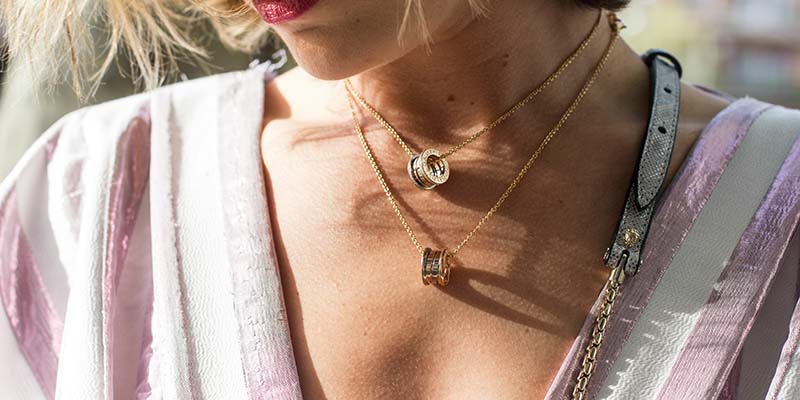
Layered necklaces: handle each layer as an individual piece. When putting on layered pieces, fasten the shortest layer first and lay the rest flat. When cleaning, avoid piling layers; clean and dry them separately.
When to Re-plate: If the gold layer wears through and the base metal is visible—or if the piece has sentimental or monetary value—re-plating (electroplating) is an option. Re-plating restores appearance but costs time and money, so balance the frequency of re-plating against the piece's worth. Industry sources suggest well-cared-for plated pieces can look good for years; re-plating can refresh them when needed.
Quick Decision Checklist
Check the hallmark: If your piece says 14K or 18K, it’s solid gold. These can usually handle mild polishing or gentle cleaning without risk. Avoid harsh chemicals, but everyday soaps and soft cloths are safe.
Identify plating: Markings like “GP” (gold plated), “GEP” (gold electroplated), or unmarked jewelry that leaves a green tint on your skin should be treated as delicate. Use only soft wipes, mild detergents, and avoid abrasive tools—every extra scrub removes a bit of gold.
Inspect stones and enamel: Pieces with glued gemstones, resin, or enamel details should never be soaked. Spot-clean gently with a damp cloth and dry immediately. Submerging them risks loosening or discoloring the embellishments.
Consider recent exposure: If your jewelry smells of chemicals, perfume, or heavy sweat, a quick, gentle clean followed by thorough drying can prevent tarnish and corrosion.
Look at the base metal: Any visible silver, copper, or brass under the gold layer signals wear. If the piece is important to you, consider professional re-plating to restore its finish and longevity.
You May Like

Apparel & Shoes
Best Smart Casual Shoes To Pair With Modern Office Outfits

Outfit Ideas
Business Casual Looks For Women: Outfit Ideas For Work And Meetings

Outfit Ideas
Business Casual Attire For Men: Essential Pieces Every Professional Needs
Jewelry
How to Wear Necklaces Without Them Getting Twisted or Tangled

Fashion Trends
What Gen Zs Want in 2026: Heavy Wool, Scented Scarves, and "Human Glitches"